Tomato Nagina F1
At last, a ‘Roma’ style plum tomato that’s blight resistant and can be grown outside in the UK! Tomato ‘Nangina’ boasts solid, meaty flesh with few seeds and a rich, deep flavour that you’ll love whether you’re eating them fresh off the plant or cooking them up into your favourite sauce. Triumphing over both early and late blight, this versatile F1 hybrid will give you a great harvest in even the wettest of British summers! Height: 180-200cm (71-79in). Spread: 50cm (20in).
Sowing
For greenhouse cultivation: sow from February to April.
For outdoor cultivation: sow from March to April.
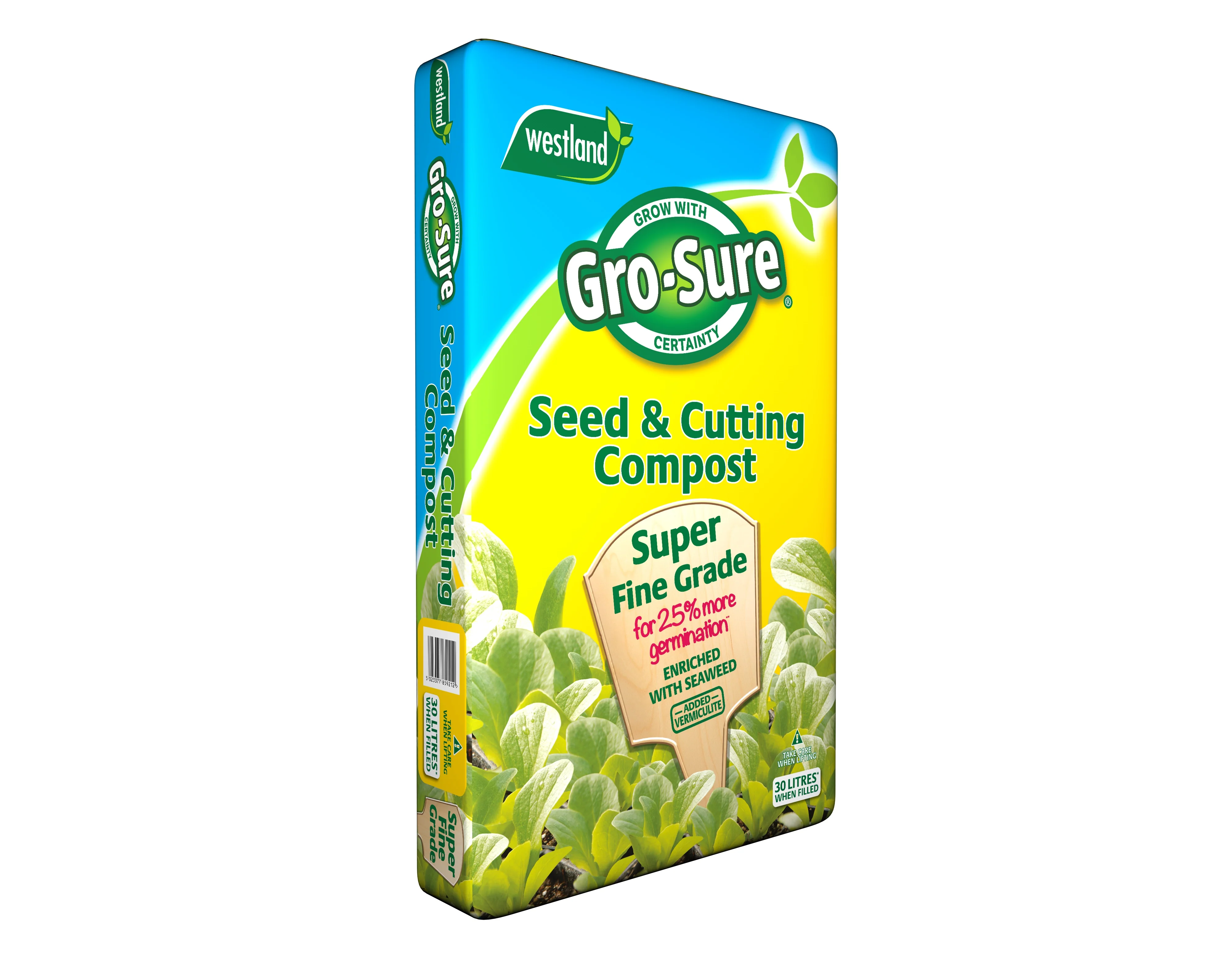
Sow seeds on the surface of a good, free-draining, damp, seed sowing mix and cover with a fine sprinkling of compost or vermiculite. Place seed trays in a propagator at a constant temperature of around 15-20C (59-68F) until after germination, which takes 7-14 days. When seedlings gain 2 true leaves, transplant into individual 7.5cm (3") pots of compost and grow on at a minimum temperature of 15C (59F).
When growing in a glasshouse tomato plants may be transplanted at the end of May or when the first flowers are showing, if earlier. Allow 3 plants per growbag, or one per 25cm (10") pot, or plant tomatoes directly into the greenhouse soil.
When growing tomatoes outdoors, wait until all risk of frost has passed before transplanting tomatoes. Gradually acclimatise them to outdoor conditions over 7 - 10 days before planting out from early June when tomato plants are 20cm (8") tall. Choose a sheltered position in full sun on fertile, reliably moist, well drained soil, and transplant at a distance of 60cm (24") apart. Drive a (5') cane into the soil adjacent to each plant to support them as they grow, and tie each main stem to its support with soft garden twine.
More Info
Water tomato plants frequently, to keep the compost evenly moist. Feed tomatoes regularly with a high potash plant food once the first truss of fruit has formed.
Tie the main stems to their supports and remove any sideshoots that develop between the main stem and the leaf stems. Once the plant has produced 6 or 7 trusses, pinch out the top of the main stem. This process of "sideshooting" and "stopping" will increase the availability of light and air movement around the developing fruit, and focus the plants energy on producing a good crop of high quality tomatoes. Tomatoes can be harvested as they ripen from July to September.
Description
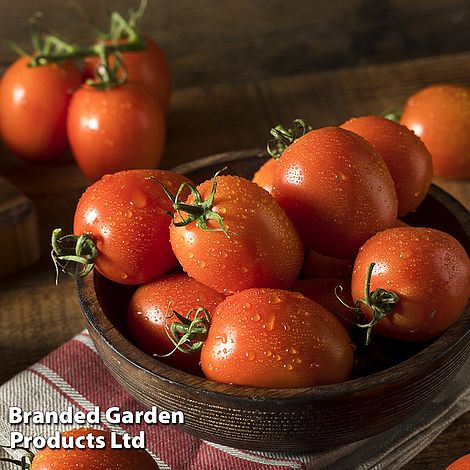
At last, a ‘Roma’ style plum tomato that’s blight resistant and can be grown outside in the UK! Tomato ‘Nangina’ boasts solid, meaty flesh with few seeds and a rich, deep flavour that you’ll love whether you’re eating them fresh off the plant or cooking them up into your favourite sauce. Triumphing over both early and late blight, this versatile F1 hybrid will give you a great harvest in even the wettest of British summers! Height: 180-200cm (71-79in). Spread: 50cm (20in).
Sowing
For greenhouse cultivation: sow from February to April.
For outdoor cultivation: sow from March to April.
Sow seeds on the surface of a good, free-draining, damp, seed sowing mix and cover with a fine sprinkling of compost or vermiculite. Place seed trays in a propagator at a constant temperature of around 15-20C (59-68F) until after germination, which takes 7-14 days. When seedlings gain 2 true leaves, transplant into individual 7.5cm (3") pots of compost and grow on at a minimum temperature of 15C (59F).
When growing in a glasshouse tomato plants may be transplanted at the end of May or when the first flowers are showing, if earlier. Allow 3 plants per growbag, or one per 25cm (10") pot, or plant tomatoes directly into the greenhouse soil.
When growing tomatoes outdoors, wait until all risk of frost has passed before transplanting tomatoes. Gradually acclimatise them to outdoor conditions over 7 - 10 days before planting out from early June when tomato plants are 20cm (8") tall. Choose a sheltered position in full sun on fertile, reliably moist, well drained soil, and transplant at a distance of 60cm (24") apart. Drive a (5') cane into the soil adjacent to each plant to support them as they grow, and tie each main stem to its support with soft garden twine.
More Info
Water tomato plants frequently, to keep the compost evenly moist. Feed tomatoes regularly with a high potash plant food once the first truss of fruit has formed.
Tie the main stems to their supports and remove any sideshoots that develop between the main stem and the leaf stems. Once the plant has produced 6 or 7 trusses, pinch out the top of the main stem. This process of "sideshooting" and "stopping" will increase the availability of light and air movement around the developing fruit, and focus the plants energy on producing a good crop of high quality tomatoes. Tomatoes can be harvested as they ripen from July to September.