Spring Onion Ishikura
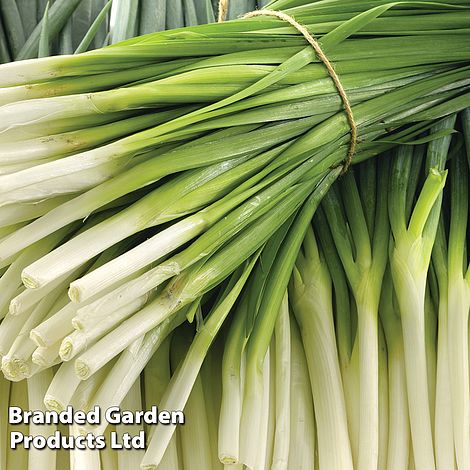
Perennial crops are a boon in the veg garden and Bunching Onion ‘Ishikura’ is no exception. Unlike other alliums, this non-bulbing perennial onion can be sown just once and then harvested for years, providing yields of mild-flavoured spring onions from spring to the first frosts. This Japanese type has superior cold hardiness than its relative, the Welsh Onion. Plants remain green for a long time, so you can be pulling spring onions long into the winter if given some protection. This labour-saving and versatile onion can be enjoyed when pencil-thin or allowed to bulk up into carrot-sized mini leeks. 'Ishikura' makes an edible and attractive feature for edging veg beds and an excellent companion plant to deter insect pests. Leave a few of the plants to form their pleasing flowers and they’ll attract beneficial pollinators. Clumps can be lifted and divided to retain their vigour for future seasons. Height: 30cm (12"). Spread: 23cm (9").
Sowing
Direct sow onions outdoors in spring on any firm, well drained soil in full sun. Sow thinly at a depth of 1cm (½") and a distance of 30cm (12") between rows. Prepare the planting area several weeks in advance by incorporating some well rotted garden compost to improve drainage and soil fertility. Avoid planting onions on freshly manured soil. On particularly wet ground, try growing onions in raised beds. When large enough to handle, thin welsh onion seedlings to 23cm (9") apart for medium sized bulbs, or at a slightly wider spacing if larger bulbs are required.
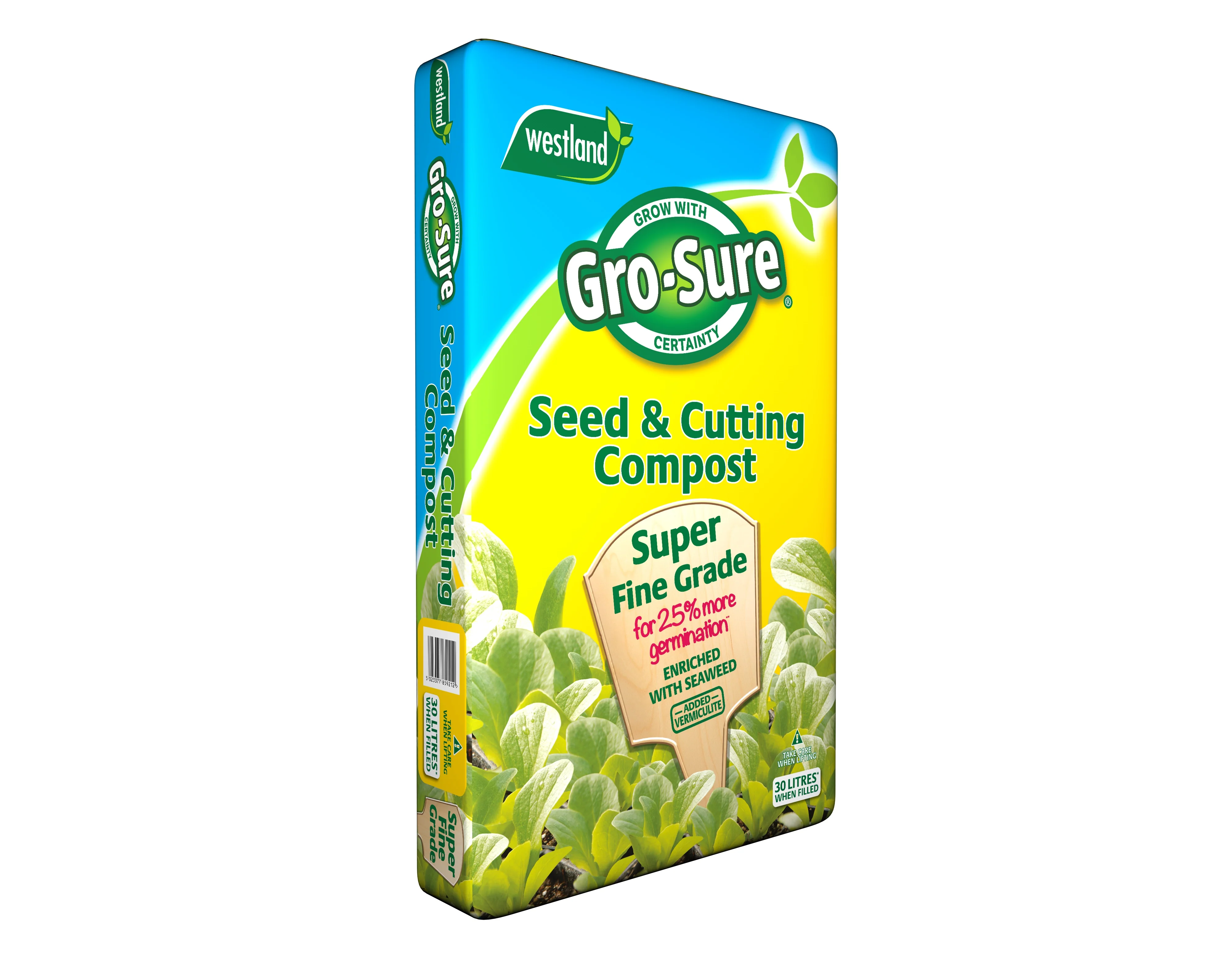
Alternatively sow onion seed indoors in module trays at a depth of 1cm (½"), using free-draining, seed sowing compost. Place in a propagator or seal container inside a plastic bag at a temperature of 10-15C (50-59F) until after germination which usually takes 10-14 days. Once germinated, grow onions on in cool conditions until all risk of frost has passed and they are large enough to plant outdoors at a distance of 23cm (9") apart. Cover with a protective netting or fleece to prevent attack from birds and insects. Water the plants thoroughly after planting.
More Info
Welsh onions are undemanding and require only occasional watering during particularly dry periods. However, rows should be weeded regularly. Harvest individual leaves as and when required or pull up part of the clump for the small leek-like stems. Welsh onions should be used immediately as they do not store well once harvested.


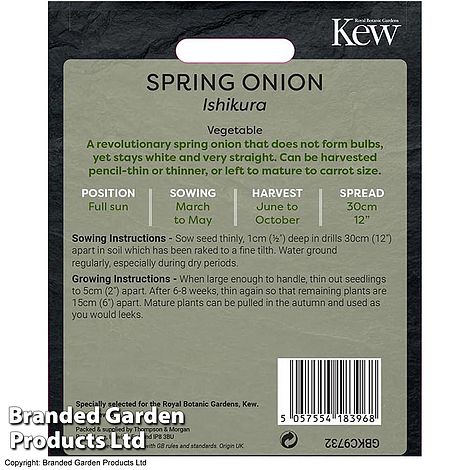
Description
Perennial crops are a boon in the veg garden and Bunching Onion ‘Ishikura’ is no exception. Unlike other alliums, this non-bulbing perennial onion can be sown just once and then harvested for years, providing yields of mild-flavoured spring onions from spring to the first frosts. This Japanese type has superior cold hardiness than its relative, the Welsh Onion. Plants remain green for a long time, so you can be pulling spring onions long into the winter if given some protection. This labour-saving and versatile onion can be enjoyed when pencil-thin or allowed to bulk up into carrot-sized mini leeks. 'Ishikura' makes an edible and attractive feature for edging veg beds and an excellent companion plant to deter insect pests. Leave a few of the plants to form their pleasing flowers and they’ll attract beneficial pollinators. Clumps can be lifted and divided to retain their vigour for future seasons. Height: 30cm (12"). Spread: 23cm (9").
Sowing
Direct sow onions outdoors in spring on any firm, well drained soil in full sun. Sow thinly at a depth of 1cm (½") and a distance of 30cm (12") between rows. Prepare the planting area several weeks in advance by incorporating some well rotted garden compost to improve drainage and soil fertility. Avoid planting onions on freshly manured soil. On particularly wet ground, try growing onions in raised beds. When large enough to handle, thin welsh onion seedlings to 23cm (9") apart for medium sized bulbs, or at a slightly wider spacing if larger bulbs are required.
Alternatively sow onion seed indoors in module trays at a depth of 1cm (½"), using free-draining, seed sowing compost. Place in a propagator or seal container inside a plastic bag at a temperature of 10-15C (50-59F) until after germination which usually takes 10-14 days. Once germinated, grow onions on in cool conditions until all risk of frost has passed and they are large enough to plant outdoors at a distance of 23cm (9") apart. Cover with a protective netting or fleece to prevent attack from birds and insects. Water the plants thoroughly after planting.
More Info
Welsh onions are undemanding and require only occasional watering during particularly dry periods. However, rows should be weeded regularly. Harvest individual leaves as and when required or pull up part of the clump for the small leek-like stems. Welsh onions should be used immediately as they do not store well once harvested.